
Half of the world's population

Half of the world's population lives in the blue area
Half of the world's population


5% of the worlds population lives in the blue shaded area, 5% also lives in the red shaded area


Half of Canada (33.5 million people) lives south of the red line, or 45.7 degrees north


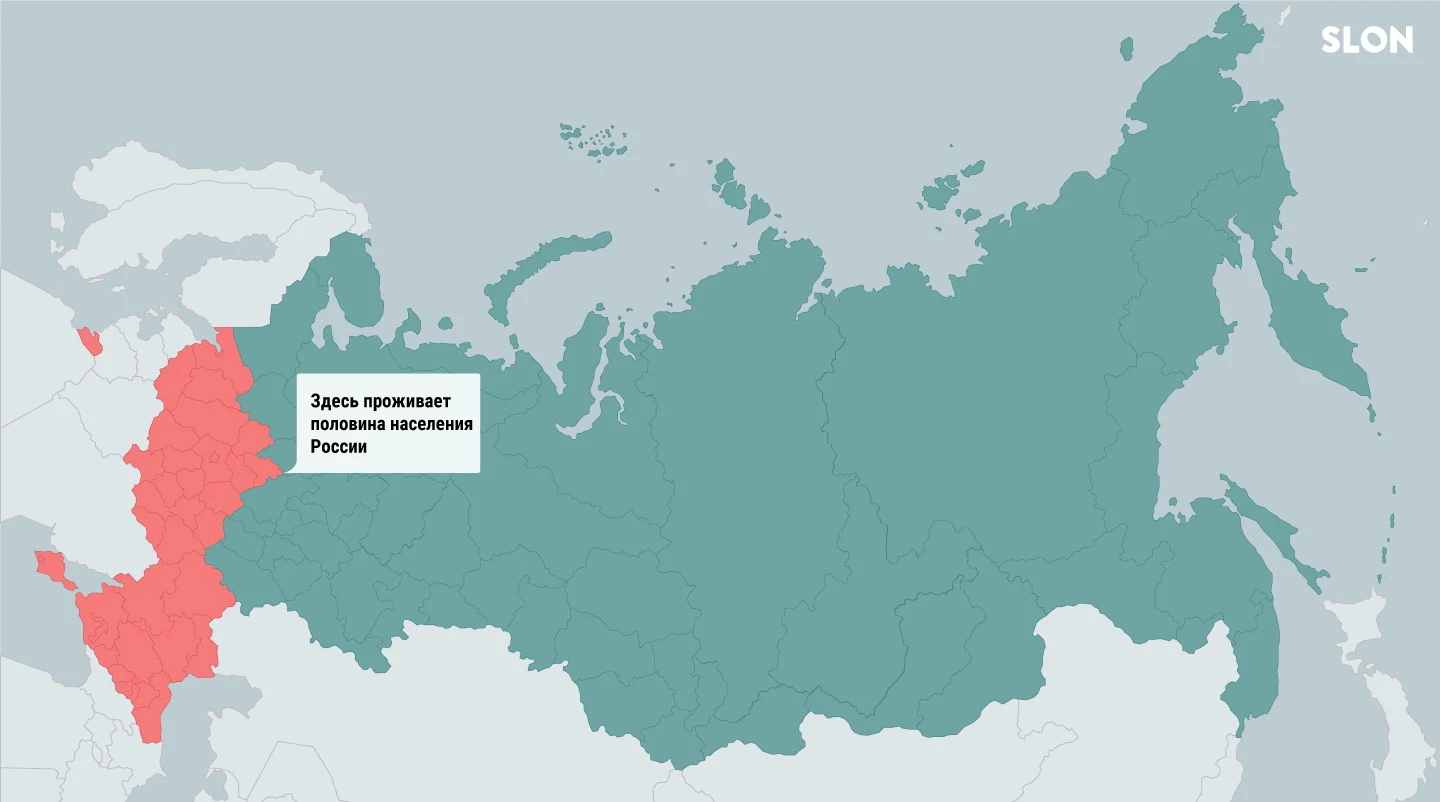
Half of Russia's 144 million population lives in the red part

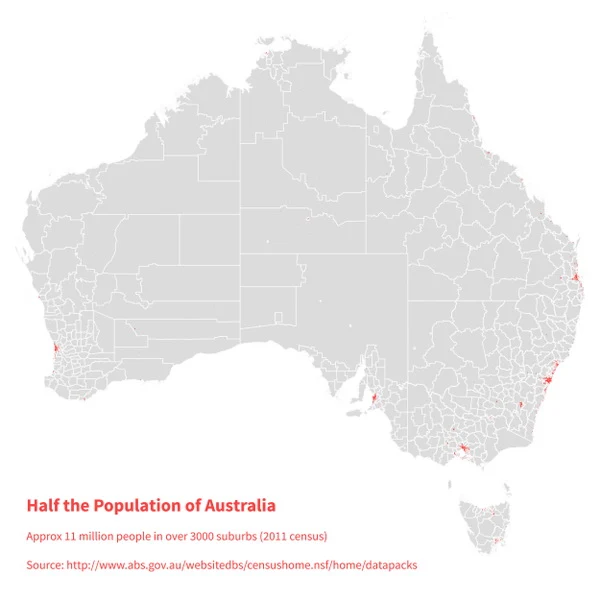
Half the population of Australia in the red shaded area
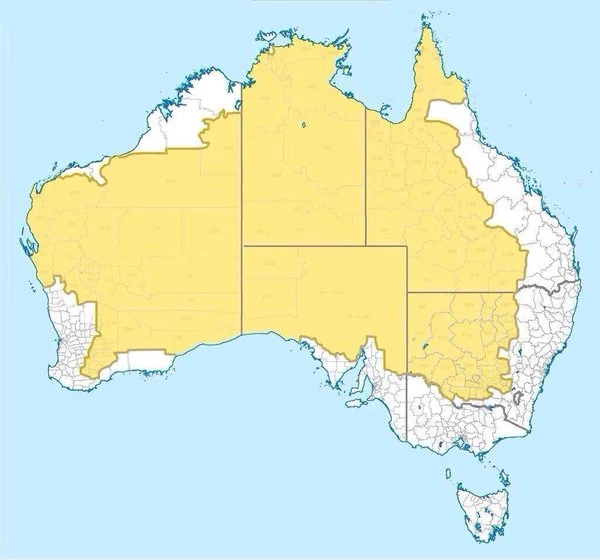
2% of Australia's population lives in the yellow area
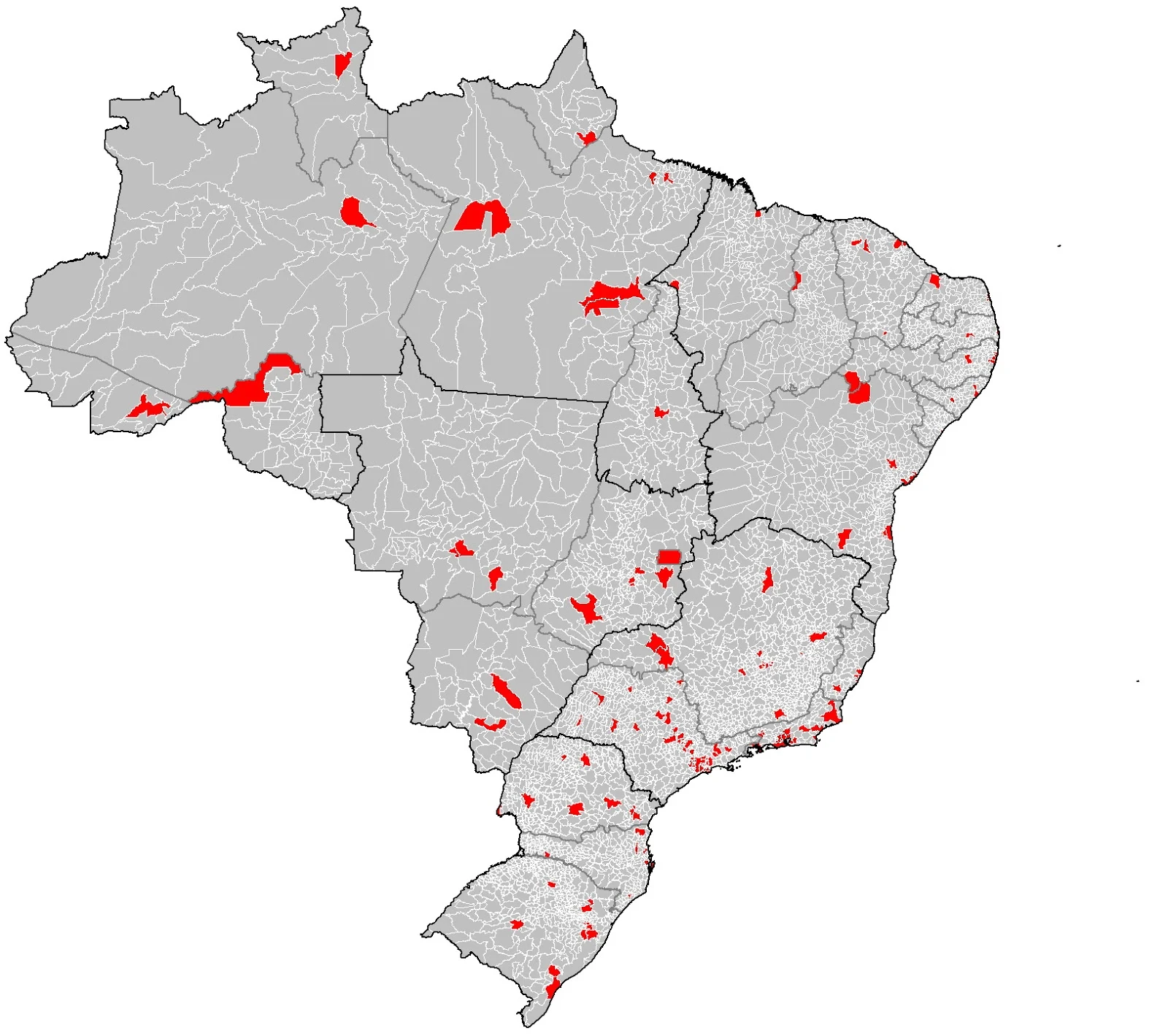
Half the population of Brazil lives in the blue shaded areas
Half the population of Mongolia lives in the two red dots


Half the Norwegian population lives here


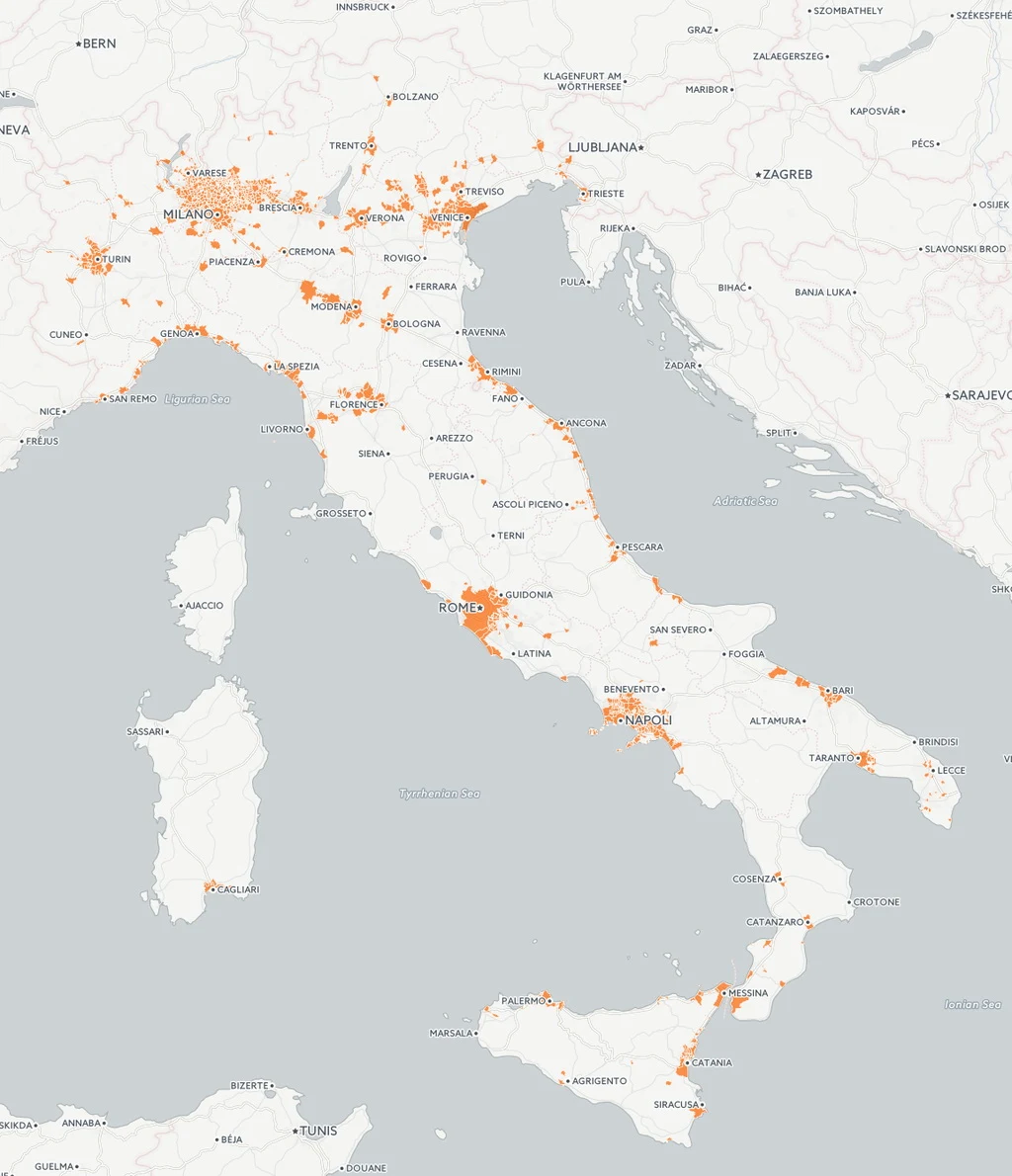
Half the population of Italy lives in the yellow area


50% of the population  of India lives in the blue shaded areas
50% of the population  of India lives in the blue shaded areas

 Half of Africa's population (550 million people) lives in the red area
Half of Africa's population (550 million people) lives in the red area

This post may contain affiliate links. As an Amazon Associate, I earn from qualifying purchases.


Popular posts from this blog

Map of Fox Species Distribution

Foxes are small to medium-sized members of the Canidae family, which also includes wolves, dogs, and other related animals. There are about 37 species of foxes distributed around the world, and they inhabit a wide range of environments, from forests and grasslands to deserts and urban areas. Below is the map of fox species distribution  created by Reddit user isaacSW Here are some of the most well-known fox species and their distribution: Red Fox ( Vulpes vulpes ): The red fox is one of the most widely distributed fox species and is found in North America, Europe, Asia, and parts of North Africa. They are adaptable and can live in a variety of habitats, including forests, grasslands, and urban areas. Arctic Fox ( Vulpes lagopus ): The Arctic fox is found in the Arctic regions of North America, Europe, and Asia. They have adaptations that help them survive in cold climates, such as a thick coat that changes color with the seasons. Gray Fox ( Urocyon cinereoargenteus ): The gray ...

How Long Does Plastic Take to Decompose?

  Plastic: the unwelcome house guest at nearly every corner of our lives — from shopping bags to footwear, coffee cups to car parts. And yet, discarded, plastic doesn't just evaporate into thin air. No, it lingers. For decades. Even centuries. According to statistics presented by Visual Capitalist , plastic daily consumer goods can break down between 20 and 600 years, depending on the composition used, how they were created, and natural elements like water and sunlight they are exposed to. Let's go deeper into why plastic takes so long to break down — and what horrid messes it leaves behind in the process. Why Plastic Isn't "Natural" — and Why That's a Problem Plastic does not naturally exist. It's a product made from petroleum and natural gas. Its long, tough carbon bonds differ from anything naturally found in ecosystems, making it extremely resistant to microbial breakdown. When we toss a plastic bottle or bag away, it's not a matter of if it will s...

Fallingwater: Where Architecture Meets the Wild

 Located in southwestern Pennsylvania's woods, Fallingwater is not a house, but a powerful conversation between nature and architecture. Completed in 1935 by Frank Lloyd Wright for the Kaufmanns, it's one of the only buildings that truly does seem alive—as if it grew directly out of the rock. What is so revolutionary about Fallingwater isn't its appearance—it's Wright's philosophy of organic architecture: the idea that houses are there to harmonize with nature, not dominate it. The house was actually constructed into the land, resting directly above a waterfall on Bear Run. Instead of looking out over the waterfall, Wright built the waterfall into the house, and the sound of running water is therefore a constant companion. Crafted From the Land, For the Land The materials used to build Fallingwater tell their own story. The stone was quarried on-site. Local craftsmen helped shape every contour. The horizontal lines of the cantilevered terraces echo the layered rock...