Rainwater collection isn't just an eco-friendly practice—it's a smart strategy for water conservation and sustainable living. With climate change intensifying drought conditions across many regions, more homeowners are turning to rainwater harvesting as a practical solution.
The Water Conservation Imperative
The average American household uses approximately 300 gallons (1,135 liters) of water daily, with significant potential for reduction through rainwater harvesting. According to the EPA, rainwater harvesting can save homeowners up to 1,300 gallons (4,921 liters) of water during peak summer months. What's more remarkable is that a 1,000-square-foot (56 sq m) roof can collect approximately 600 gallons (2,271 liters) of water from just one inch of rainfall.
Comprehensive Review: Top 5 Rainwater Collection Barrels Available on Amazon
1. RTS Home Accents 50-Gallon (189 Liters) ECO Rain Water Collection Barrel

Detailed Description
The RTS Home Accents Rain Water Collection Barrel offers a perfect blend of functionality, durability, and aesthetic design. Constructed from UV-resistant recycled plastic, this barrel provides an efficient solution for capturing and utilizing rainwater.Key Features
- 50-gallon (189 liters) capacity
- Overflow connection system
- Mosquito-resistant screen
- Brass spigot for easy water access
- Durable, food-grade resin construction
- Multiple color options
Pros
- Significant water conservation
- Easy installation
- Environmentally friendly
- Cost-effective water source
- Versatile usage options
Cons
- Requires proper placement
- Limited capacity
- Potential local regulations
- Periodic maintenance needed
2. Good Ideas RW50-OAK Rain Wizard 50-Gallon (189 Liters) Rain Barrel

Detailed Description
The Good Ideas Rain Wizard 50-Gallon Rain Barrel combines durability with a charming oak wood design. This barrel is both functional and visually appealing, ideal for blending with outdoor décor.Key Features
- 50-gallon (189 liters) capacity
- Rustic oak barrel appearance
- Brass spigot included
- UV-resistant polyethylene construction
- Flat-back design for placement against walls
Pros
- Aesthetic appeal
- Durable construction
- UV protection
- Easy to use
- Suitable for various outdoor settings
Cons
- Heavier than some models
- It may require additional filtration
- Regular cleaning necessary
3. VINGLI Collapsible Rain Barrel
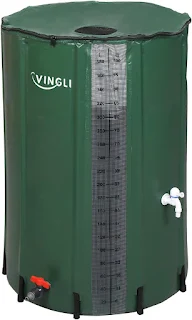
Detailed Description
The VINGLI Collapsible Rain Barrel is designed for those seeking portability and storage efficiency. This lightweight barrel can be easily folded and stored when not in use.Key Features
- Available in 50 (189 liters), 66 (250 liters), and 100-gallon (379 liters) capacities
- Collapsible for easy storage
- UV-resistant PVC material
- Mesh cover to keep out debris
- Dual spigot design
Pros
- Space-saving design
- Multiple capacity options
- Lightweight and portable
- Easy to set up
- Affordable price
Cons
- Less durable than rigid barrels
- Potential for leaks if not handled carefully
- Requires careful setup to avoid tipping
4. FCMP Outdoor Rain Catcher RC4000 Rain Barrel
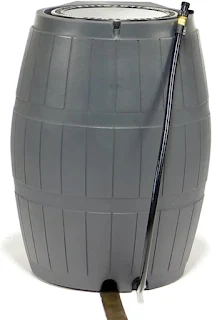
Detailed Description
The FCMP Outdoor Rain Catcher RC4000 Rain Barrel offers a practical design with a focus on functionality and ease of use. This model is ideal for those looking for a straightforward rainwater collection.Key Features
- 45-gallon (170 liters) capacity
- Overflow hose included
- Built-in screen to keep out debris
- BPA-free polyethylene construction
- Linkable to other barrels
Pros
- Easy to link multiple barrels
- Debris-free water collection
- Compact size
- Durable materials
- Simple installation
Cons
- Smaller capacity
- Basic design may not appeal to all
- Limited color options
5. Algreen Athena 50-gallon (189-liter) Plastic Outdoor Rain Barrel
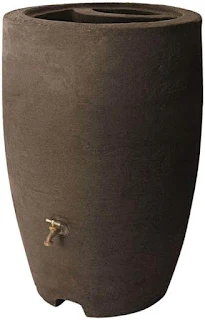
Detailed Description
Key Features
- 50-gallon capacity: Adequate storage for residential rainwater needs.
- Elegant design: Mimics the look of a classic clay urn, blending seamlessly with outdoor décor.
- UV-resistant construction: Ensures long-lasting durability even under prolonged sun exposure.
- Integrated planter top: Adds a decorative element and allows for additional green space.
- Dual brass spigots: Offers convenient water access from multiple points.
- Corrosion-resistant material: Ensures longevity and resistance to the elements.
Pros
- Stylish design: Complements a variety of garden and patio aesthetics.
- Durable materials: Built to withstand harsh weather conditions.
- Functional and decorative: Combines utility with visual appeal.
- Large capacity: Suitable for medium-sized garden and lawn watering needs.
- Easy to use: User-friendly setup and water access.
Cons
- Higher price point: Premium design and materials come at a slightly higher cost.
- Heavier construction: Can be more challenging to move when full.
- Potential for overflow: May require careful placement and overflow management.
Strategic Rainwater Harvesting Techniques
Optimal Placement
- Position near downspouts
- Ensure stable, level ground
- Consider sun exposure to minimize algae growth
- Plan for overflow management
Water Usage Applications
- Garden irrigation
- Lawn maintenance
- Car washing
- Outdoor cleaning projects
- Emergency water supply during natural disasters
Legal and Regulatory Considerations
Before installing a rainwater collection barrel, it's important to understand your local regulations. While most states actively encourage rainwater harvesting, some have specific requirements or restrictions. Several states even offer tax incentives or rebates for installing rainwater collection systems.
Environmental and Economic Benefits
Installing a rainwater collection barrel goes beyond personal benefits. A study by the American Rainwater Catchment Systems Association found that homes with rainwater harvesting systems can reduce their municipal water usage by up to 40%. Additionally, the Natural Resources Defense Council reports that proper rainwater management can significantly reduce urban flooding and pollution in local waterways (https://www.nrdc.org/stories/green-infrastructure-how-to-manage-water-sustainable-way).
Innovative Collection Strategies
Modern rainwater collection systems have evolved significantly, now incorporating:
- Smart monitoring technologies that track water levels and usage
- Advanced filtration systems for improved water quality
- Automated irrigation controls
- UV sterilization options for enhanced water safety
Future of Water Conservation
As water scarcity becomes an increasingly pressing issue, rainwater harvesting represents a critical component of sustainable water management. The World Resources Institute projects that by 2025, two-thirds of the world's population may face water shortages, making personal water conservation efforts more important than ever.
Have you installed a rainwater collection barrel at your home? We'd love to hear about your experiences and any creative ways you've found to use your harvested rainwater. Share your story in the comments below!
This post may contain affiliate links. As an Amazon Associate, I earn from qualifying purchases.
Comments
Post a Comment